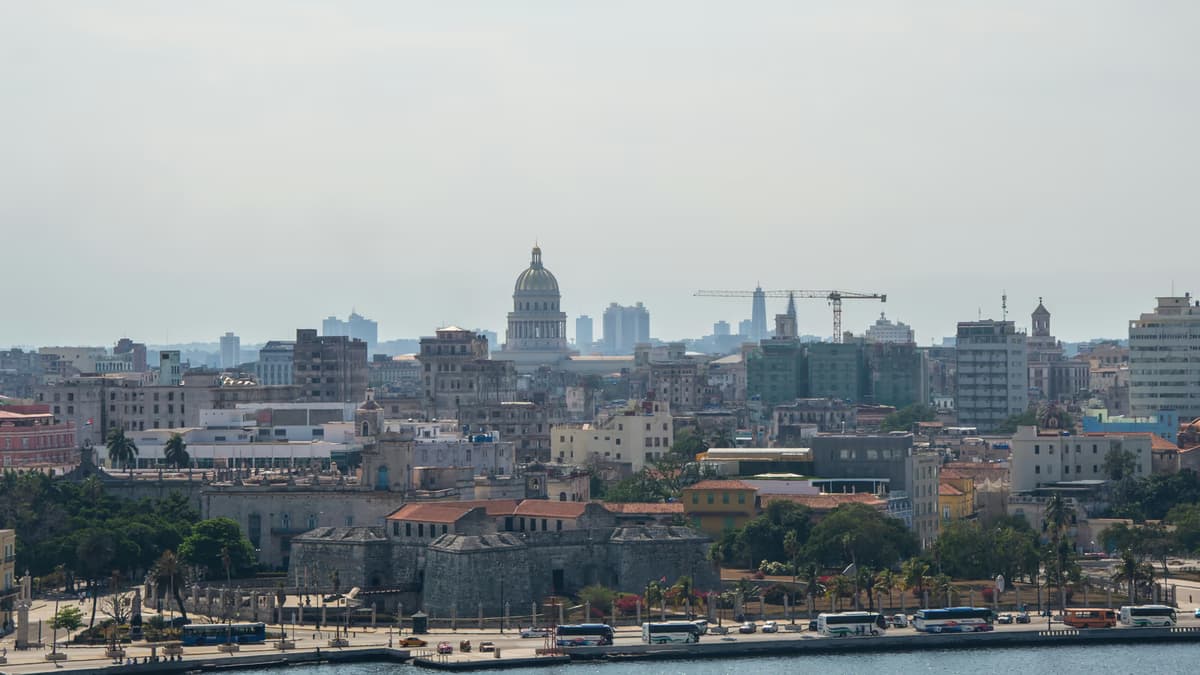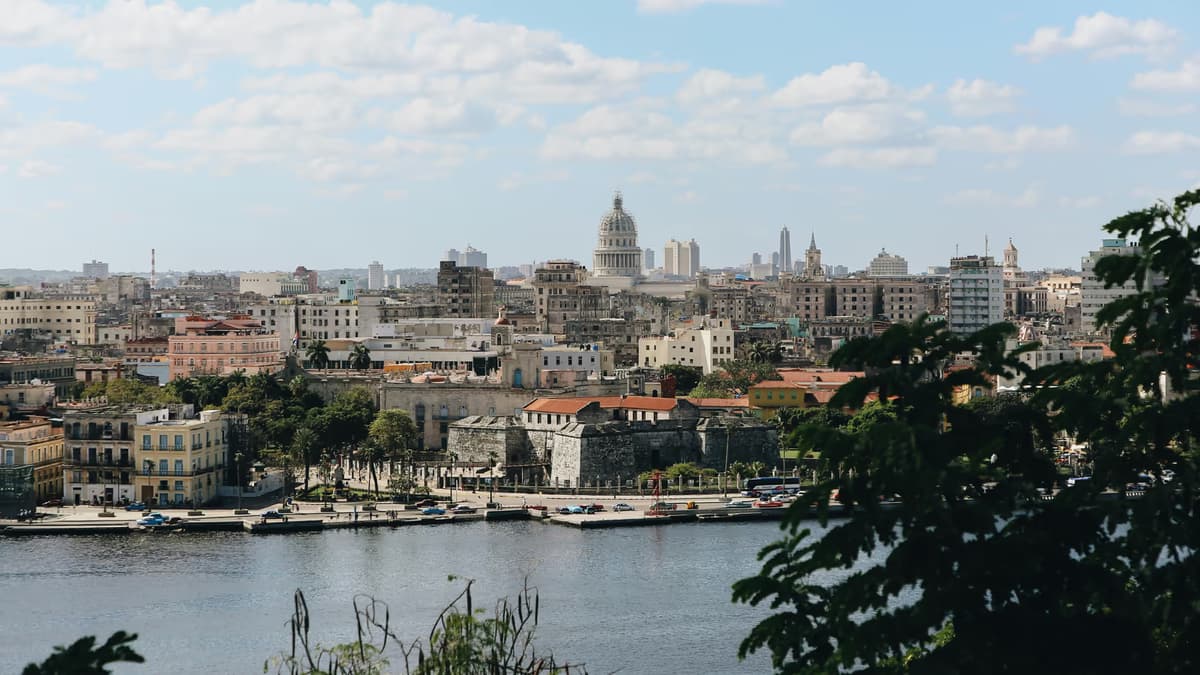
Five years running El Caimán means watching the same email arrive every Tuesday. From Miami, Madrid, Toronto. Subject lines change. The underlying question doesn't: can I actually buy a home in Cuba, and if so, what will it cost? The short answer is yes, and it depends. The long answer is this post. (We're not going to pretend it's simpler than it is. Cuba's property market is, lovingly, a paperwork enthusiast's dream.)
TL;DR
- Provincial median 2026: $22,000 USD. Total range: $5,000 (rural east) to $500,000+ (Havana Vedado, Varadero beachfront).
- 2022 Cuban reform: any permanent resident — including dual citizens with a Cuban ID — can buy outright. Non-residents typically structure via a resident family member.
- US embargo doesn't ban the purchase, but US banks won't wire the funds. Diaspora buyers route via Mexico, Panama, family-visit cash, or Western Union (capped).
- The single most-delayed sale we see: titles not formally registered. Ask this first, before price.
- Browse live inventory on the interactive map.
The provincial median is $22,000. The number you'll actually pay depends on which Cuba you're shopping in.
Before zones, the number that anchors everything. A typical home for sale in Cuba in 2026 has a national median of $22,000 USD across all provinces. That figure is misleading on its own because the variance is enormous: the floor opens around $5,000 USD for a rural casita in Granma or eastern Holguín, and the ceiling escapes past $500,000 USD for Vedado mansions or Varadero beachfront. Both extremes are real. So is everything in between.
The four regions where most diaspora and foreign buyers actually shop:
| Area | Median | Typical range |
|---|---|---|
| Havana | $48,000 USD | $15,000 - $200,000+ |
| Varadero (Matanzas coast) | $110,000 USD | $25,000 - $500,000+ |
| Cienfuegos / Camagüey / Sancti Spíritus | $25,000 USD | $8,000 - $80,000 |
| Holguín province (incl. Guardalavaca) | $22,000 USD | $5,000 - $300,000+ |
| Santiago / Guantánamo / Granma | $14,000 USD | $5,000 - $60,000 |
Havana commands its premium because it's the only Cuban city with real infrastructure depth — international airport, hospitals, notaries on every other corner, embassies. Varadero commands its premium because the name sells itself in any country. The eastern provinces are cheaper for two reasons: lower local salaries (less domestic demand at higher prices) and the logistics tax of being far from anything else. (Far from Havana. Far from the notary your seller needs. Far from your return flight.)

Four kinds of buyers walk in every week. Here's what each one is paying for.
After five years of every conversation passing through our inbox, the buyers sort cleanly into four groups. Knowing which group you're in saves you about three months of looking at the wrong properties.
The Cuban resident
Domestic buyer, lives on the island, pays in a CUP/USD mix depending on income source. Their target is utility — a livable home near work, school, or family. Budget typically $8,000 to $25,000. Pays cash because residential mortgages don't meaningfully exist in Cuba. The most price-sensitive of the four groups.
The returning diaspora
The volume engine of our marketplace. Cuban-born, lives in the US, Spain, Italy, or Latin America, often with a Cuban ID still valid. Frequently inheriting fractional family property and buying out siblings, or buying a separate home near the family one. Budget $25,000 to $150,000. Title is held by the permanent-resident family member; the diaspora buyer typically holds a private side agreement. Holguín province, eastern Cuba, and certain Havana neighborhoods (Vedado, Miramar, Plaza) see the most of this profile.
The foreign investor
Non-Cuban, looking at coastal property for rental income. About 90% have eyes on Varadero or Guardalavaca. Targets short-term tourism rental with a licencia de hospedaje. Realistic gross yield in beachfront zones runs 8 to 13 percent annually before maintenance. Budget $80,000 to $500,000. The legal structure is the puzzle — see the next section before you put down a deposit.
The retiree returning to roots
55 to 75 years old. Often part of the exile generation, returning after decades for the home they remember. Budget $40,000 to $150,000. Looking for one-story homes near pharmacies, hospitals, and the cemetery where their family is buried. The most emotionally complicated buyer we work with — the patio they remember has been three patios already.
Yes, you can buy. No, it's not Florida.
This is the section diaspora buyers send us asking about, in those Tuesday emails. We'll be specific.
The Cuban legal layer
The 2022 property reform opened ownership to any permanent resident, which includes naturalized residents and dual citizens holding a valid Cuban ID card (Carné de Identidad). If that's you, you can buy outright, same rules as any Cuban-born resident — sign at the notary, pay the transfer tax, register the title.
If you're a non-resident (US citizen with no Cuban ID, Spanish citizen who never naturalized, etc.), you cannot hold residential title in your own name. The standard structure used by the diaspora is to have a Cuban-resident family member hold title, with a private side agreement (and ideally a notarized power of attorney for future actions) spelling out the real beneficial ownership. The risk of that structure lives entirely in the trust and durability of the side agreement. We've seen it work for decades. We've also seen it implode when a family member refused to honor it. Pick the title-holder carefully.
For larger investments, the alternative is to incorporate a Cuban commercial entity (typically through the Mariel special development zone or via a service-export structure) and hold the property through that entity. Legal setup costs run $5,000 to $15,000 USD and the ongoing compliance is non-trivial. Worth it for properties over $200,000 with rental income. Not worth it for a $50,000 home in Holguín.
The US embargo dimension
This is the part lots of US-based diaspora misunderstand. The US embargo does not prohibit US persons from owning property in Cuba under most OFAC general licenses related to family support and inheritance. What it does prohibit is US banks processing the transfer. They will block, flag, or freeze any wire to a Cuban account or to a known Cuban intermediary.
The three working channels we see:
- Routing via a Mexican, Panamanian, or European bank — money moves from a US bank to a third-country bank to a Cuban bank or a Cuban resident's account. The intermediary bank usually charges 2 to 4 percent.
- Physical certified cash brought during family visits, legal up to the standard US $10,000 declaration threshold per traveler.
- Western Union, currently capped at $2,000 USD per recipient per month at the time of writing.
Larger purchases are typically split across channels and across months. None of this is fast — budget 6 to 12 weeks for the money side alone, plus the time to actually close. We are not your lawyer; if you're a US person and want to do this without OFAC exposure, hire an OFAC-specialized attorney before structuring anything.

Five red flags we see every week.
These come from moderating 12,000+ listings over five years. They're not theoretical.
-
Unregistered title. Roughly a third of older Cuban homes have informal ownership trails — bought from a neighbor in the 90s with a hand-signed contract, inherited from a grandfather without ever being filed at the Property Registry. Without a registered title in the seller's name, you cannot legally complete the purchase. Many sellers will say "we'll register it before closing". Sometimes that works in 3 months. Sometimes it takes 18. Ask for the extracto del Registro de la Propiedad before anything else.
-
State property listed as private. Homes the Cuban state assigned to families in the 60s through 80s but never formally transferred to private ownership. They look like normal sales. They are not legal sales. The state can reclaim. Verify modalidad de propiedad is "propiedad privada plena" before you put down a single dollar.
-
Beachfront concession vs. private ownership. Varadero, Guardalavaca, and Cayo Coco contain zones where the land is leased from the state under a concesión turística, not privately owned. The house structure on top may be private, but the land is not — and the resale rules are limited. This is the single most expensive misunderstanding we see foreign investors make. Always ask: is this propiedad privada plena, or concesión? If the seller doesn't know the difference, you're probably dealing with a concession.
-
Photos that don't match the property. Listings with five polished exterior shots and zero interior detail are very often using outdated or borrowed images. We've rejected listings using photos from a 2014 Airbnb. Demand current interior photos with daily-life detail — a bookshelf, a fan, a calendar on the wall, a dog asleep on the couch. If the seller refuses, the property isn't what the photos show.
-
Diaspora sellers trying to close from abroad without local representation. Selling a Cuban property requires personal presence at the notary unless the seller has issued a proper apoderado (power of attorney) that's been notarized and authenticated. Many diaspora sellers don't realize this until week 6 of negotiations and cancel mid-process. If your seller lives in the US or Europe, ask how they plan to execute the notary appointment before you commit any money.

The rule of thumb.
We close when all five conditions hold. We keep looking when even one is missing. The market is not so tight that you need to compromise on this list — Cuba is not the place for "I'll just take what's available."
- Registered title with a verifiable extract from the provincial Property Registry.
- Modalidad de propiedad confirmed in writing as full private ownership — not state assignment, not concession, not contested inheritance.
- Physical inspection by you, by a trusted relative, or by a paid local representative you've actually met. Not just photos. Not just video.
- Price within ±15% of the sub-market median, or with a clearly articulated reason for the outlier (recent restoration, premium view, exceptional lot size).
- Realistic closing timeline that includes seller's notary availability and (if applicable) the seller's travel logistics from abroad.
Patience favors the buyer in Cuba. Supply exceeds local demand in almost every sub-market except Vedado, Miramar, and primary-line Varadero. If a property gets away, an equivalent appears in six to ten weeks. (When it doesn't, we'll tell you.)
Direct answers.
Can a US citizen buy a home in Cuba?
Not directly under their own name unless they hold permanent Cuban residency. The standard structure is to have a Cuban-resident family member hold title, with a private side agreement. The US embargo doesn't prohibit the underlying transaction in most cases, but US banks won't wire the funds — diaspora buyers route through Mexico, Panama, physical cash on family visits, or Western Union (capped at $2,000 USD per recipient per month). Consult an OFAC-specialized attorney before structuring anything.
How much does a typical home cost?
National median 2026 is $22,000 USD. Havana median $48,000. Varadero median $110,000. Provincial capitals (Cienfuegos, Camagüey) around $25,000. Eastern rural areas can drop below $10,000. The map at /mapa shows live pricing by zone.
Do I have to be in Cuba physically to buy?
Not strictly. A properly notarized power of attorney lets a local apoderado act on your behalf. But every buyer we know recommends at least one in-person inspection. Photos lie. Neighbors occasionally lie too. The cost of one diligence trip is far lower than the cost of buying something sight-unseen.
What's the safest way to transfer the money?
For US persons there is no clean wire transfer. The three working channels: third-country bank intermediary (Mexico, Panama, Europe), physical cash on family visits within the US $10,000 declaration limit, and Western Union (currently $2,000 USD monthly cap per recipient). Larger purchases split across channels and across months. Budget 6 to 12 weeks for the money flow.
How long does the whole process take?
With a properly registered title, a resident seller, and clean modalidad: 8 to 14 weeks from agreement to keys. Add 4 to 8 weeks if title needs registration cleanup. Add 4 to 12 weeks if the seller lives abroad and needs to issue a power of attorney or travel to sign. Coastal sales involving concessions can take longer due to extra legal review.
If you're ready.
The Cuban market moves slowly. That works in your favor — there's time to do this right. Ask about title before you ask about price. Demand interior photos. Confirm modalidad de propiedad in writing. And if you're a US-based buyer, sort out the money channel before you fall in love with a house in Vedado.
When you're ready, browse the live inventory of homes for sale in Cuba on our interactive map. If you're on the selling side, listing your property is free — we don't charge commission and we don't take a percentage at closing. The first listing goes live in about the time it takes to find a notary appointment in Havana. (Which is to say, faster than you'd think, but still slower than Miami.)
For the Spanish-speaking audience, our pillar guide to casas en venta en Cuba covers the same ground in more local detail. For specific provinces we already have deep guides on Havana, Holguín, and Varadero.